The Kettle, the Kilowatt and the Quiet Corner: A Winter Energy Clinic Built on Trust
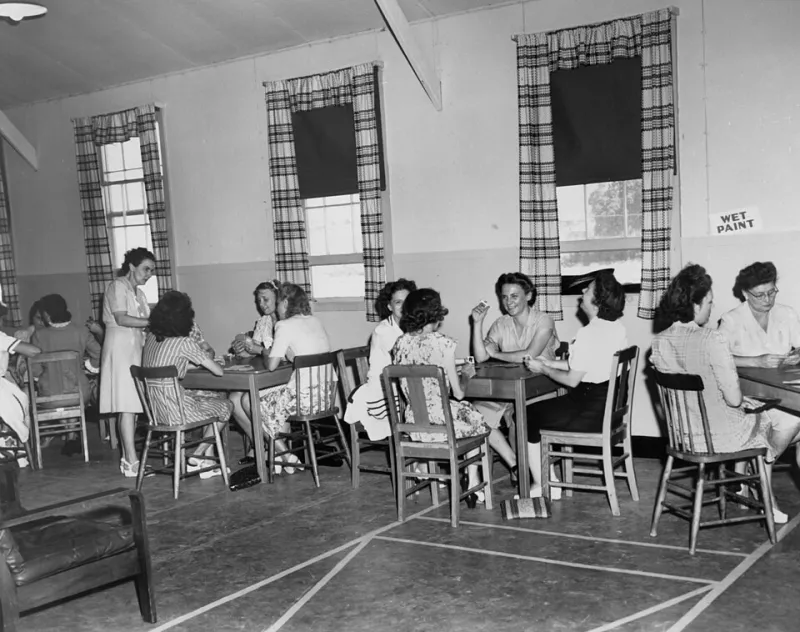
Photo: doe-oakridge, Public domain, via Wikimedia Commons
Energy bills have a way of making people go quiet. Not because they have nothing to say, but because they are not sure what to say, who to say it to, or whether saying it will make things worse. A winter energy clinic at the village hall can change that — not by turning into a lecture, and certainly not by turning into a sales pitch, but by offering a cup of tea, a private chair and one sensible next step.
The idea is simple. Once a month, open a room for neighbours to bring a bill, ask about a meter reading, or just check whether they are on the right support. No jargon. No queue of people listening in. No one trying to sell them anything. The aim is not to solve every problem in twenty minutes. It is to help someone leave feeling a little less stuck than when they walked in.
Start with the problem, not the pitch
Most people do not need a lecture about turning the thermostat down. They need to know why their direct debit has jumped, how to read the meter without standing on a chair, or whether the Warm Home Discount or Priority Services Register applies to them. Some will arrive with a folder of paperwork. Others will arrive with a phone and no idea where the bill actually lives.
So frame the session as a practical help desk, not a talk. Put the kettle on. Have a few chairs arranged around small tables rather than in rows. Make it clear on the poster that people can bring a bill, a meter reading, a letter from the supplier, or nothing at all. The phrase ‘no questions too small’ is worth its weight in biscuits.
A room that protects privacy
Dignity is the whole ball game here. Nobody wants to explain their finances in front of the neighbour they nod to at the bins. Set up two or three quiet corners, ideally with a screen or a separate side room, so conversations can happen out of earshot. Use appointment slots for personal bill chats and keep a drop-in table near the door for general questions, leaflets and meter-reading help.
Be careful with sign-in sheets. Ask for a first name only, and only if the person is happy to give it. Do not leave completed forms on a table. If volunteers take notes, say what they are for, who will see them and when they will be shredded. A simple line on the poster — ‘Your details stay in this room’ — does more for trust than a dozen well-meaning speeches.
What happens at the table
A good session has a gentle rhythm. A host welcomes people at the door, offers tea and explains the setup. A volunteer adviser sits with each person, looks at the bill or meter if they have one, and asks what they would most like help with. Then they work out one clear next step together.
That step might be: ring the supplier and ask about a cheaper tariff or a payment plan. Apply for the Priority Services Register if someone is older, disabled or medically dependent on energy. Check eligibility for the Warm Home Discount. Contact the local council about household support. Ask Citizens Advice for a benefits check. Or simply take a meter reading today and send it to the supplier before the next bill lands.
One step is enough. A long list of instructions is just a lecture in disguise.
Finding the right volunteer — and keeping sales out
You do not need an energy expert on every street corner, but you do need someone who knows the difference between official support and a sales script. Start with Citizens Advice, your local authority’s energy advice team, a credit union, or a respected local advice service. Ask whether they can spare an adviser for a monthly session or provide training for a small group of volunteers.
Write down the boundaries before anyone agrees to help. Volunteers do not sell tariffs, do not take commissions and do not recommend a supplier. They explain options, help people use official comparison services if they want to, and signpost to regulated advice. If someone from a energy company offers to attend, be wary. A genuine community session should not feel like a marketing opportunity with a urn in the corner.
The one-step promise
At the end of each conversation, ask the person to say the next step back to you in their own words. ‘I’m going to ring them Tuesday and ask about a payment plan.’ ‘I’m going to take a photo of the meter tonight.’ That is how you know the session has done its job. It also gives the volunteer a natural place to stop, which matters when there is a queue of tea cups and a hall to lock up.
Keep a simple signposting sheet behind the desk — Citizens Advice, the council, Ofgem, the Energy Ombudsman, Age UK, Scope, local food bank and warm space details. Do not hand out a wad of paper unless someone wants it. A single folded sheet with three phone numbers is often more useful than a folder nobody reads.
A simple monthly rhythm
Pick the same Saturday morning each month, or a weekday afternoon if that suits your neighbours better. Advertise through the parish noticeboard, the school newsletter, the pharmacy window and the group chat. Say what the session is, where the quiet corner is, and that no one will be asked to share anything they do not want to share.
Have a host, an adviser and someone on the kettle. Keep the last half hour free for follow-ups and tidying. Afterwards, note only the broad themes — meter readings, payment plans, priority register — not names or personal details. That helps you plan the next session without turning a friendly clinic into a data collection exercise.
A winter energy clinic will not fix the whole energy system. It can, however, make a cold month feel less lonely and a confusing bill feel less frightening. Bring the kettle, protect the quiet corner, and let one clear next step do the rest.