Somewhere Warm, Somewhere Welcome: Your 2026 Guide to Local Warm Spaces
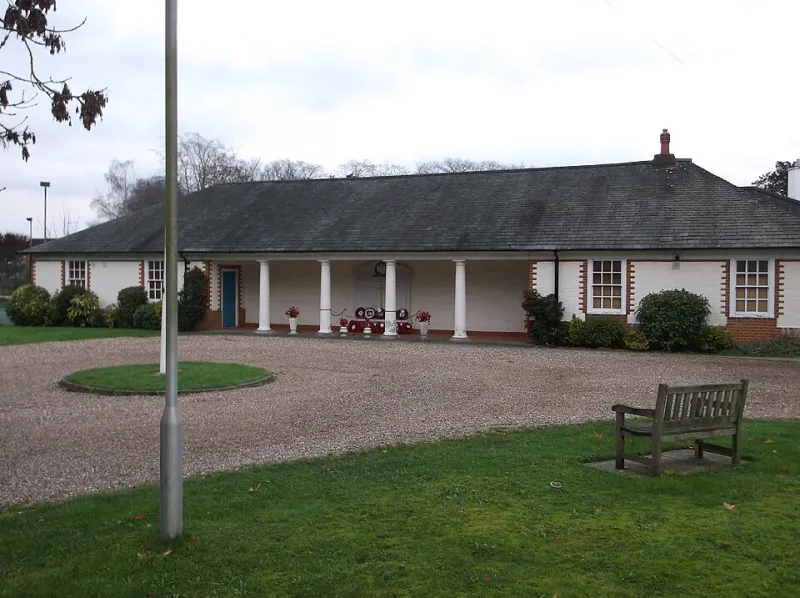
Photo: Harry Mitchell, CC BY 4.0, via Wikimedia Commons
The clocks have gone back, the leaves are doing their usual thing on the pavement, and November 2026 has already produced that first properly sharp morning where you can see your breath at the bus stop. If yours is one of the households where the heating stays off until the last defensible moment, this piece is for you. It's also for anyone who has been circling, vaguely and slightly nervously, the idea of opening a door on their street this winter.
What a warm space actually is (and what it really isn't)
Let's clear something up first, because it stops people walking in. A warm hub is not a food bank. It's not a benefits interview. It's not a church service with a tea urn attached, and it is absolutely not an official acknowledgment that you have failed at life.
The short version: it's a room, open at a set time, that's warm, and where you are welcome to sit. Sometimes there's soup. Sometimes there's a kettle, a stack of jigsaws and a dog called Biscuit. Sometimes it's a library corner with the radiators on and nobody counting how long you stay.
There's no means test at the door. Nobody asks for your details or your meter reading. You can arrive, drink a cup of tea, read the paper, say three words to another human being and go home. That is the entire transaction, and it counts.
Finding one near you
There is no single national register, which is annoying, so it's worth checking a few places:
- Your council's website. Search '[your council] warm spaces' or 'warm welcome'. Most publish a list by ward, usually updated from late October onwards.
- The Warm Welcome Campaign's map at warmwelcome.uk, which lists thousands of spaces across the UK and lets you filter by day and postcode.
- Your local library. Staff almost always know what's running in the building and in the surrounding halls.
- Parish newsletters, mosque and gurdwara noticeboards, church porches, the GP surgery screen — the paper-and-pins network still outperforms most apps.
- The shop counter. The person behind the till at the corner shop or post office knows who's open and when. Ask them.
- Local Facebook groups and, yes, our own Bwif community board — people post updates there through the winter.
One practical tip: ring ahead if you can. Times shift, volunteers get ill, and a hall that was open on Tuesdays in October might have moved to Thursdays by December.
What happens on your first visit
You will probably hover in the doorway for a moment. Everyone does. Then someone will look up, say hello, and point at the kettle.
Expect a mix of ages and reasons. Some people are there because the gas bill is terrifying. Some are newly retired and a bit lonely. Some are working from home and their flat is freezing. Some have a toddler and need an hour somewhere that isn't their own four walls. None of them will be asked to explain themselves, and neither will you.
If it's quiet, it's quiet. Bring a book. If it's busy, sit near the biscuits and let conversation happen.
Thinking about running one? A realistic checklist
You do not need a committee, a charity number or a budget with a logo on it. You need a room, a kettle and about four commitments. Here's the honest list:
- Sort the room first. Village hall, church hall, library meeting room, community centre, a room above a pub. Ask specifically about public liability insurance, key access, and whether the booking includes heating — that last one is not a silly question this year.
- Walk the space as a stranger would. Step-free access, an accessible loo, clear fire exits, somewhere to leave a wet coat.
- Talk to your local council for voluntary service (CVS). They can advise on safeguarding, DBS checks if children or vulnerable adults might be around, and whether any small grants are going.
- Food hygiene. If you're serving anything beyond a biscuit, a free Level 2 food hygiene course online covers you.
- Budget honestly. Roughly £30–£50 a session for tea, coffee, milk, sugar, squash and biscuits — less if people donate. Add a bit for heating if the venue charges it separately.
- Print the signposting leaflets. Citizens Advice, the local food bank, Age UK, the council's housing team, NHS 111, Samaritans on 116 123. Keep them on a table where people can pick one up without asking.
- Signpost, don't improvise. You are not a benefits adviser, and you don't need to be. Knowing where to send someone is the whole skill. For anything energy-related, point people to their council's Household Support Fund scheme — where one is still running — and to the Warm Home Discount and Priority Services Register.
- Build a rota with a named backup. One person doing every week is how warm spaces quietly close in February.
- Have a first aider, an accident book and a safeguarding contact. Boring, quick, worth it.
- Tell people it exists. Library, pharmacy, school office, GP surgery, the local Bwif group, the shop window. Word of mouth beats a poster, but you need the poster to start the word.
The bit people don't say out loud
There's an odd idea floating about that needing a warm room is embarrassing and offering one is charitable. Neither is true. Needing help in November is weather and economics. Offering a kettle is what neighbours do.
If you're hesitating about going, go once. If you're hesitating about opening a door, open it for four weeks and see who turns up. That's how most of them started.