Lights Down, Kettle On: Turning Your Village Hall Into a Picture House

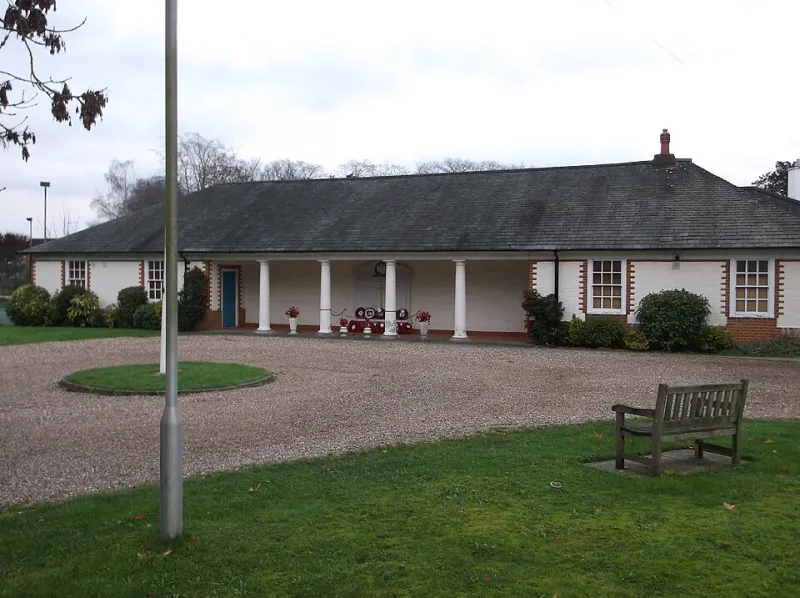
Photo: Betty Longbottom , CC BY-SA 2.0, via Wikimedia Commons
The hall is booked for a Friday, the chairs are stacked by the door and someone's uncle has offered a projector he swears still works. Welcome to the very beginning of a village hall cinema — the cheapest night out in your postcode, and quite possibly the warmest.
Pop-up cinema has quietly become one of the most reliable things a community can do with a draughty room and a rota. You don't need a box office, a popcorn empire or a 35mm projector. You need a licence, a screen, a kettle and about eight people willing to stand by a door with a cash tin. Here's how to get there without losing a weekend to admin or a fortune to the biscuit budget.
Why it's worth the faff
Two things happen when you put a film on in a hall. People who would otherwise spend a Tuesday evening watching something alone on a laptop come out of the house, and a building that has sat quietly since the last jumble sale starts earning its keep again. Volunteer-run cinema groups around the country tend to say the same thing: the film is only half the point. The bit before the film, the queue for tea, the ten-minute argument in the car park afterwards — that's the actual product.
It's also cheap. Weigh up a trip to the multiplex — tickets, parking, a drink that costs more than the ticket — against a fiver into a tin and a free refill. For anyone on a pension, on a tight budget, or simply tired of driving forty minutes for a night out, the local hall wins every time.
First things first: yes, you need a licence
You can't simply press play on a DVD you own in front of an audience. Showing a film to the public is a public performance and it needs permission. The good news is that it's straightforward, and for a village hall it's reasonably priced.
Three routes in:
- Use a non-theatrical licensing company. Filmbankmedia and MPLC are the two names most UK community groups end up dealing with. They hold rights for a large slice of the mainstream catalogue and will quote based on audience size, whether you're charging, and how often you screen.
- Go direct to the distributor. For smaller or specialist titles, a distributor's own non-theatrical team will often license a single screening quite happily — particularly if you explain it's a community event and ask nicely.
- Go through a support organisation. Cinema for All (cinemaforall.org.uk) exists precisely to help volunteer-run cinemas get off the ground, and your regional BFI Film Audience Network hub can point you towards funding, advice and sometimes a loan of equipment.
Two practical notes. Ask the licensor for a subtitled (SDH) version — it usually costs nothing extra and means the hard-of-hearing members of your audience aren't left guessing. And check the film's BBFC rating and stick to it; a family matinee showing a 12A means under-12s need an adult with them, full stop.
The kit list is shorter than you think
You need less than the internet will tell you.
- Projector — hire one for the first few nights. Around 3,000 lumens will handle a hall with the lights off; more if you can't get the room properly dark.
- Screen, or a very good wall — a pull-up screen costs £40–£60 to hire and makes an enormous difference to how 'cinema' it feels.
- Sound — the projector's own speaker will not fill a hall. Two powered PA speakers on stands, borrowed from the local band, will.
- Source — a laptop or Blu-ray player, the right cable, a spare cable, and the cable you'll inevitably have to buy on the day.
- Blackout — heavy curtains, or a 6pm start in winter. Summer screenings need planning.
- Front of house — a cash tin with a float, a card reader (a SumUp or Zettle reader is about £25 and pays for itself in one night), a table, a laminated sign and a torch for guiding people to seats.
- Kettle, urn, squash, biscuits. Not glamorous. Absolutely load-bearing.
Picking films that fill seats
The single biggest mistake first-timers make is choosing films the committee likes. Run a quick poll — the village Facebook group, the shop noticeboard, a box in the post office — and offer a shortlist rather than an open field.
A workable rhythm for a monthly night is a crowd-pleaser, then a classic, then something for families on a Saturday afternoon. Avoid anything still showing in cinemas; the licensing window simply won't be open. British films go down well, as does anything with a nostalgic pull for the over-60s and anything with a dinosaur in it for everyone else.
Do the small things properly: a poster with the title in genuinely huge letters, a printed running order, and the date of the next screening announced before anyone has left the room.
The money: a realistic first-night budget
Here's a plausible opening night for a 70-seat hall.
- Hall hire at the community rate: £80
- Single-screening licence: £120
- Projector and screen hire: £60
- Refreshments: £35
- Printing and posters: £15
- Contingency: £20
- Total: £330
Charge £5 for adults, £3 for under-16s and £12 for a family, and you break even at roughly 65 paying adults — or fewer if the tea urn does its job. Put a donation tin by the door marked 'for the next one', and most groups find a small parish council grant tips them into credit by the third night. Keep a written record of every screening and every ticket sold; licensors ask, and it makes any future funding bid far easier.
The rota, and why eight is the magic number
Split the jobs and give each one two names, so nobody is stranded when a babysitter falls through:
- Box office and door
- Projection and sound
- Refreshments
- Meet, greet and seats
- Clear-up crew
Everyone does one job and one clear-up. Nobody does both on the same night. If you're running a children's matinee, make sure at least two adults are on the door throughout and that your safeguarding policy exists somewhere other than in someone's head.
The night itself
Open the doors half an hour early. Play a loop of trailers or a slideshow of local photos while people settle — silence in a hall feels awkward and makes everyone whisper. Introduce the film in under sixty seconds, mention where the loos are, ask people to silence their phones, then get out of the way. Have an interval for anything over two hours; nobody minds, and the urn out-earns the tickets.
At the end, thank the hall, thank the volunteers by name, and tell everyone the date of the next one. That sentence, delivered while people are still smiling, is the entire marketing strategy.
Start small, start soon
You don't need a constitution, a committee or a projector of your own. You need a hall, a licence and a date. Pick a Friday in the quiet stretch after Christmas, when the evenings are long and the telly has nothing to offer, and put a poster up. The rest, as they say in the pictures, is coming attractions.