Nine O'Clock and Home: The Village Hall Open Mic That Leaves the Room Wanting More, Not Less
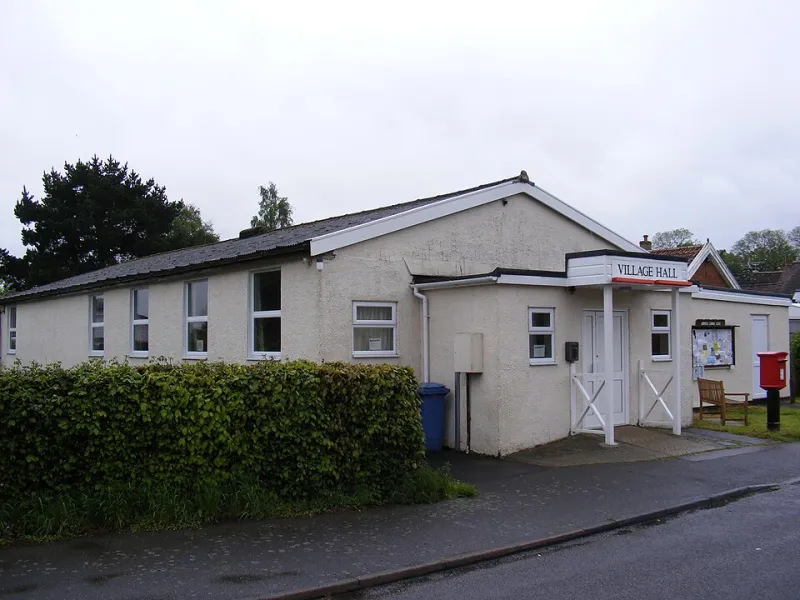
Photo: Geographer , CC BY-SA 2.0, via Wikimedia Commons
November 2026 has that particular village-hall feel about it: the radiators ticking, the noticeboard slightly overcrowded, and half the street wondering whether it is acceptable to bring a flask to something advertised as a night out. An open mic can be a brilliant answer to all three. It gives people somewhere to go, something to do and a reason to sit next to a neighbour they have not spoken to since the summer fete. But it only works if it is built around a simple promise: everyone is home warm and by nine.
That promise is not a limit on the fun. It is the thing that makes the fun possible. People will say yes to a ten-minute turn because it is small. They will come out on a dark Tuesday because they know the finish time. And they will come back next month because the room felt kind rather than competitive.
Start with the finish, not the stage
Before you book a single act, agree the hard stop. Nine o'clock, lights up, kettle on, goodnight. Put it on the poster. Say it at the door. Write it on the paper sign-up board. If the hall has a licensed bar or a music licence to consider, check that early with the committee, but do not let the paperwork turn a living-room night into a mini festival.
The ten-minute slot is the other half of the promise. Ten minutes is long enough for two songs, a short story, three poems or one very good joke and a bit of breathing space. It is short enough that a first-timer can look at the clock and think, I can do that. Use a visible timer, but keep it friendly. A sand timer on the piano is gentler than a buzzer. A host who says 'last minute, lovely' is better than a red light.
The paper board beats the group chat
A paper sign-up board is not old-fashioned. It is a social object. People stand near it, read names, ask questions and make the small negotiations that make a night work. 'Are you going on before me?' 'Is there a spare guitar lead?' 'I might just listen.'
Set the board up by the door with a clear heading: Ten-minute turns. Sign up on the night. First come, first served. Add a second column for 'happy to go on early' and a third for 'needs a chair, a lead or a hand'. Keep a pen attached with string. It sounds trivial, but the string saves the evening.
Do not let the board become a leaderboard. No scores, no heats, no 'best act' rosette. The board is there to organise the evening, not to rank the neighbours.
Four volunteer roles, not one hero
An open mic can easily collapse onto the shoulders of one enthusiastic person. Spread it out. Four roles are enough for most village halls:
- Door host: welcomes people, explains the board, points out the loos and the tea. This is the most important job in the building.
- Timekeeper: sits near the front with the timer, gives a gentle signal at eight minutes and a warmer one at nine.
- Sound helper: knows how to plug in one microphone, adjust one lead and say 'that is fine, don't worry' when it squeaks.
- Tea and tidy: keeps the urn going and makes sure the hall is left as it was found.
Recruit from the people who already come to things. Ask the quiz organiser, the library volunteer, the person who always arrives early to put out chairs. Rotate the roles so nobody misses the whole night every month. And write the rota down. A rota in someone's head is not a rota; it is a rumour.
First-timers and the non-singers
Not everyone wants to sing. Make that clear from the start. The board should say: music, poems, stories, jokes, readings, short demonstrations, or just come and listen. A ten-minute turn can be a favourite poem read badly and beautifully. It can be a five-minute family story. It can be a ukulele player, a fiddler, a spoken-word newcomer or someone showing how to make a decent loaf.
Have a 'listener's ticket' that is just as valid as a performer's slot. Some people need to sit in the room for two or three months before they sign up. That is not a failure of the night; it is the night doing its job.
When someone signs up for the first time, the host should do three small things: thank them, ask how to say their name, and tell them exactly what will happen. 'You are on fourth. I will say your name, you have ten minutes, and I will give you a wave at eight. If you want to stop early, that is completely fine.' That is often all the confidence someone needs.
Make the room feel like a front room
Lighting does more than decoration. If the hall has harsh overhead strips, use lamps instead. Put chairs in a shallow arc rather than rows. Leave a wide aisle. Keep the stage area low and close. A comfy chair, a small table and a mug of something warm will do more for the atmosphere than a backdrop.
Ask the audience to listen. Not in a shushing way, just in a normal way. The host can say at the start: 'This is a listening room, not a comedy club. If you are chatting, take it to the back table.' Most people relax when they know the rules.
The gentle hard stop
At 8.40pm, the host should announce the last three turns. At 8.55pm, the final act begins. At 9pm, the lights come up, the host thanks everyone and the doors open. Do not add 'just one more' unless it is genuinely one short song and everyone is already standing. The hard stop is what makes the whole thing repeatable.
Have a simple way home. A lift list by the door, a torch in the porch, a reminder about the last bus. If someone is on their own, the door host can ask quietly whether they are sorted for a lift. That is not nosiness; it is the difference between a night out and a night out in a village.
A rota that survives January
The real test of an open mic is not the first night in November. It is the third Thursday in January, when the weather is grim and everyone is tired. Keep the format short, keep the kettle on and keep asking new people to take one small job. A night that ends at nine can survive the winter because it does not ask too much of anyone.
And that is the whole trick. Ten minutes on the board. Four friendly roles. One kind host. Nine o'clock, home. The room does the rest.