Before the Big Switch: Getting Your Village Hall Winter Lights Night Right in 2026

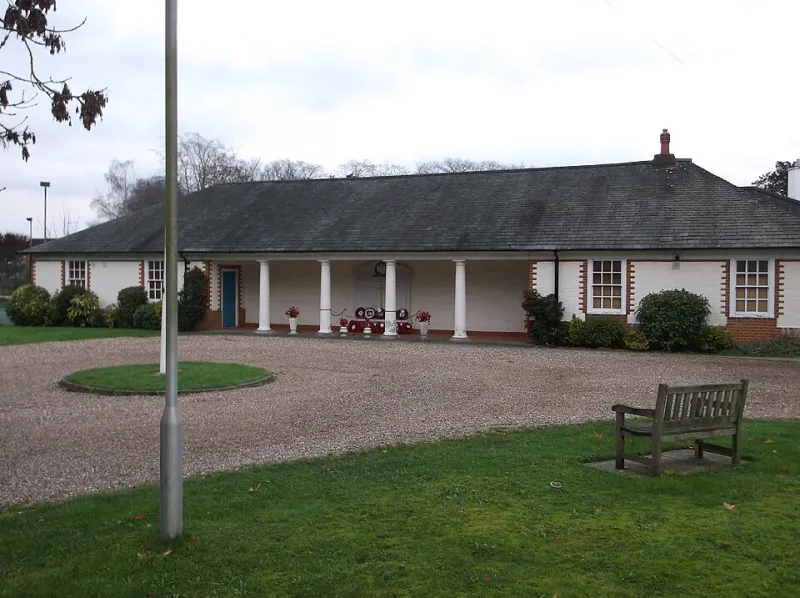
Photo: Jaggery, CC BY-SA 2.0, via Wikimedia Commons
There is a moment, somewhere around ten to six on a cold December evening, when the countdown finishes, someone hits the switch, and a slightly wonky string of bulbs lights up the front of the village hall. Everybody claps. Somebody's dog barks. The mulled something is not quite hot yet. It is, genuinely, one of the best fifteen minutes of the local calendar.
What nobody claps for is the six weeks of fiddling about that made it happen. And that is fine, because the fiddling about does not need to be heroic. It needs to be small, shared out, and written down. Here is how to keep a community switch-on from turning into a second job for one exhausted person.
Start with the room, not the lights
Most of the hard thinking happens before a single bulb is unboxed. Walk the hall and its outside space with fresh eyes and a notebook: where will people queue, where will they stand if it rains, where does the kettle plug in, where do the cables cross a walkway, and which corner is quietly out of the way for anyone who needs to sit down for five minutes.
Ask three questions of the hall committee early. Is the public liability insurance in place and does it cover outdoor lighting and hot refreshments? Which keys do we get and who locks up? And has anyone booked the hall for that date in a way we have forgotten about since the summer?
The paperwork that actually matters
You do not need a filing cabinet. You do need four things.
- A one-page risk assessment. Not a novel. List the obvious hazards — trailing cables, hot water, steps, the dark car park, the ladder someone will inevitably climb — and say what you are doing about each. Print it. Pin it up. If anything goes wrong, that page is the difference between a messy evening and a serious problem.
- PAT testing for anything plugged in. Fairy lights, extension leads, the PA, the urn. If it comes from a shed and has not been checked since 2019, borrow a tested one instead. Your local tool library or the parish council office often knows someone.
- Food hygiene basics. If you are serving mince pies and warm drinks you are not running a restaurant, but do keep a note of allergens, keep the hot stuff hot and the cold stuff cold, and make sure whoever is in the kitchen has washed their hands and is not also the person handling loose cables.
- A named first aider. One person, with a kit, who is not also running the sound desk. St John Ambulance volunteers and local first aid trainers are often glad to help for a small donation.
Music, film and the small print
If you are playing recorded music — Christmas tunes over a speaker, a playlist while people arrive — check whether the hall already holds a music licence. Many do, through their usual bookings. If you are showing anything on a screen, even a slideshow of last year's photos, keep it simple and make sure you have permission for every image on it. Nobody wants a friendly evening to end in an awkward letter.
If you are using a temporary structure, a bouncy thing, or anything involving a generator, stop and ring the council's licensing team before you commit. They are generally far more helpful than their reputation suggests, and much happier to answer a question in October than a complaint in January.
A rota people can actually keep
Two-hour shifts beat four-hour shifts every time. Nobody minds giving up a couple of hours; plenty of people quietly dread giving up an entire evening. Pair a first-timer with someone who has done it before, and name one person who is in charge of the whole night so decisions do not stall.
Good roles to fill: door and welcome, refreshments, lights and ladders, sound, car park and paths, floaters. Write the rota on paper, stick it on the wall, and make sure everyone has the mobile number of the person in charge.
Do not forget the people who cannot do the evening itself. Someone to print the posters. Someone to drop leaflets to the sheltered housing. Someone to make a tray of sandwiches on the Friday. There is a job for nearly everyone, and asking is itself a kindness.
Getting everybody through the door
This is the bit that separates a nice event from a genuinely good one.
Check step-free access and say so on the poster. Put the blue badge spaces in writing. Make sure the path is gritted and lit. Ask about a hearing loop if you have a speaker. Have chairs out, not stacked in a corner. Keep the flashing lights to a minimum — strobes are miserable for people with epilepsy, migraine or sensory sensitivity. Print a few copies of the running order in large type. Have a quiet corner with a chair and a table, somewhere a person can sit without being asked six times if they are all right.
And send the invitation through the routes people actually use: the shop noticeboard, the school newsletter, the GP surgery, the food bank, the warm space, the sheltered housing warden, the WhatsApp group that is really a phone tree for the over-eighties. Offer lifts. Mention that people can come for twenty minutes and leave. That single sentence unlocks the door for a lot of people who have been indoors since October.
The budget, in plain numbers
You do not need much, but you do need to write it down before you spend it.
| Line | Notes |
|---|---|
| Lights and cables | Buy tested, or borrow from a neighbouring hall |
| Refreshments | Budget per head, then add a bit |
| Insurance top-up | Ask the hall first — often already covered |
| Printing | Posters and flyers, not a billboard |
| Contingency | Ten per cent, always |
A raffle or a donation tin by the tea urn will usually cover the squash and the biscuits. If you are applying for a small grant from the parish council or a local charity, ask in September, not the week before.
Afterwards, while it is still fresh
Write down what broke, what ran out, and which bit of the rota nobody wanted. Label the boxes when you pack the lights away — next year's organiser will be someone else, and they will bless you for it. Send thank-yous to every volunteer by name, including the ones who only made sandwiches.
Then put the date in the diary for 2027, and let someone else take the clipboard. That is how these things survive.