Bells, Buzzers and Bake-Offs: How to Run a Village Hall Quiz People Actually Talk About
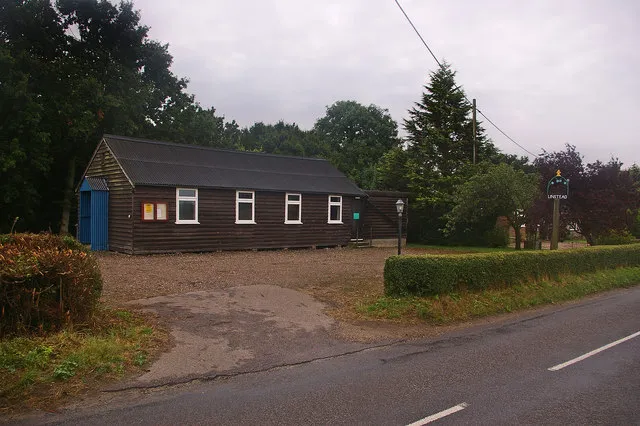
Photo: Ian Capper, CC BY-SA 2.0, via Wikimedia Commons
There is a particular sound a village hall makes when a quiz night is going well. It is not the frantic scraping of pens. It is the low rumble of forty people arguing cheerfully about whether the old cattle market closed in 1987 or 1989, followed by the clatter of a biscuit tin being passed along a trestle table. If your local hall has not heard that sound in a while, 2026 might be the year to change that.
A good quiz night is not complicated. It does not need a professional compere, a lighting rig or a prize fund large enough to attract contestants from three counties away. What it needs is a bit of thought, a willing handful of volunteers and a firm grip on the difference between a friendly local quiz and an ordeal by general knowledge.
Start With the Room, Not the Questions
Before you write a single round, walk into your hall and look at it as a stranger would. Where will people queue for tea? Is there a draught that will turn the far table into a polar expedition by 9pm? Can everyone see and hear the person with the microphone, or will half the room be playing an elaborate game of lip-reading?
Layout matters more than quizmasters like to admit. Long tables of eight or ten can turn into closed clubs before the first question is asked. Smaller tables of four to six, with a deliberate mix of ages and streets, tend to loosen things up. If you are selling tickets in advance, ask people to book as individuals or pairs rather than whole teams. Then make the teams up on the night. Yes, it feels a bit bold. Yes, it works. The whole point is that the quiz becomes a place where the retired teacher, the new family from the edge of the village and the teenager coerced into helping with the raffle all end up on the same side.
Rounds That Belong to Your Place
The fastest way to make a quiz feel generic is to fill it with questions about capital cities and celebrity marriages. The fastest way to make it feel like your quiz is to ask about the things people can see from the hall window.
Try a round called “Then and Now”, using old photographs of the high street, the recreation ground or the school. Ask people to identify the year, the shop or the face in the back row. You will be amazed how quickly a photograph of a 1970s carnival float gets a table talking. A “Local Landmarks” round can include the name of the brook, the odd shape of a boundary stone or the pub that changed its name twice in five years. Keep it affectionate, not gotcha. The aim is recognition, not humiliation.
Other rounds can be quietly useful. A “Useful Numbers” round—what to dial for the non-emergency police line, where to find the nearest food bank donation point, which day the mobile library visits—sounds dry on paper but works surprisingly well when the quizmaster keeps it light. It also plants practical information in the room without anyone feeling lectured. Pair that with a silly round: obscure crisp flavours, famous televised bake-offs, or “name the object from the bottom of a handbag”. A good quiz has a rhythm: local, daft, useful, nostalgic, then something that lets the quiet table win a point.
Avoid the Clique Trap
Every village has them: the table that has quizzed together since the reign of Elizabeth I and has a pre-agreed signal for “Roman emperor”. They are not the enemy, but they can sink the atmosphere if they hoover up every point and celebrate like they have won the FA Cup.
There are gentle ways to level the field. Use a handicap round where the winning team from last time has to answer one question with their non-writing hand. Give spot prizes for the best team name, the most creative wrong answer or the table that finishes their biscuits first. Keep the main prize modest—a small trophy, a box of local chocolates, bragging rights until spring—and make the raffle the real fund-raiser. When the prizes are small, the pressure drops and the laughter rises.
Prizes From People Who Know Your Postcode
You do not need to beg for big-ticket donations. Start with the businesses that already know your hall exists. The corner shop might give a hamper of odd-but-wonderful tins. The local bakery may offer a voucher for a dozen rolls. The pub could donate a Sunday lunch for two. The garden centre might part with a houseplant that has seen things. Ask early, ask in person and always send a thank-you note afterwards, even if the answer is no.
Local prizes do two things at once. They keep money in the neighbourhood and they remind people that the quiz is part of a wider web of local generosity. Put the donor names on a simple sheet by the door, not as advertising but as a thank-you. It makes the evening feel rooted.
The Small Touches That Turn a Night Into a Tradition
A one-off quiz is an event. A quiz that comes back is a tradition. The difference is usually in the details: a named trophy that gets its own small ceremony, a “wooden spoon” prize that is cheerfully handed over, a fixed date in the calendar—say the second Friday of the month or the last Saturday before half-term. Put the next date on the wall before people leave. If you can, take a few photos for the parish newsletter and the hall noticeboard.
And do not forget the quiet work of welcome. Have someone on the door whose only job is to say hello and point people towards the tea. Make sure the kettle is on before the first question. Provide a few pens that actually work. Keep the entry fee low enough that a family can come without thinking twice.
A Fundraiser With a Pulse
Raising money for the hall roof or the new kitchen is important. But the quiz night is doing something else too. It is giving people a reason to be in the same room, to learn the names of the people two streets over and to remember that the hall belongs to them. If you end the evening with a slightly chaotic raffle, a few new team names and a table of neighbours swapping numbers about a lift to the surgery, you have done the job. The funds are a bonus. The buzzing room is the point.