The Boot-Bag Rule: Wet-Weather Planning That Feels Like Hospitality, Not Gloom
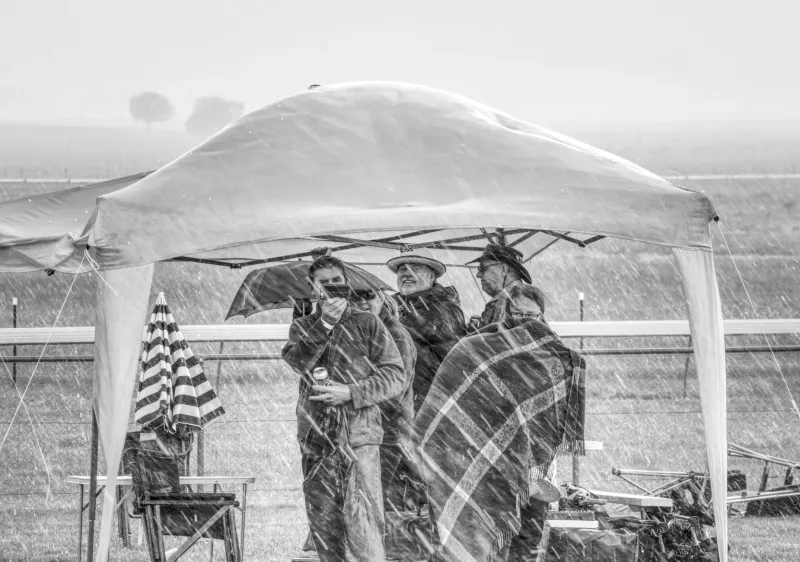
Every village fete has a moment when the committee looks at the sky and pretends not to see it. The bunting is up, the tombola is half arranged, and someone says, with enormous confidence, that it is bound to blow over. Sometimes it does. Sometimes everyone spends the next three hours holding down a gazebo leg and apologising to stallholders.
Good wet-weather planning is not pessimism. It is hospitality with a clipboard. It says to the person who has driven twenty miles with a car full of jam jars that you have thought about them. It says to the older neighbour who needs a dry seat and a clear route to the tea urn that they are not an afterthought. And it says to the volunteers that they will not be left standing in the rain, trying to make a difficult afternoon feel cheerful by sheer force of will.
Rain is not a failure of optimism
A village fete is an act of hope. You book the field, print the posters, persuade the WI to run the cake stall and hope the weather behaves. But hope is not a plan. The most welcoming events are the ones where the organisers have quietly accepted that the sky is not on the committee.
That does not mean hiring a marquee the size of an aircraft hangar or writing a forty-page risk assessment. It means having a small, practical kit, a named person who can make a decision, and a rule about when that decision gets made. The aim is simple: fewer apologies, more care.
Start with one crate, not a bunker
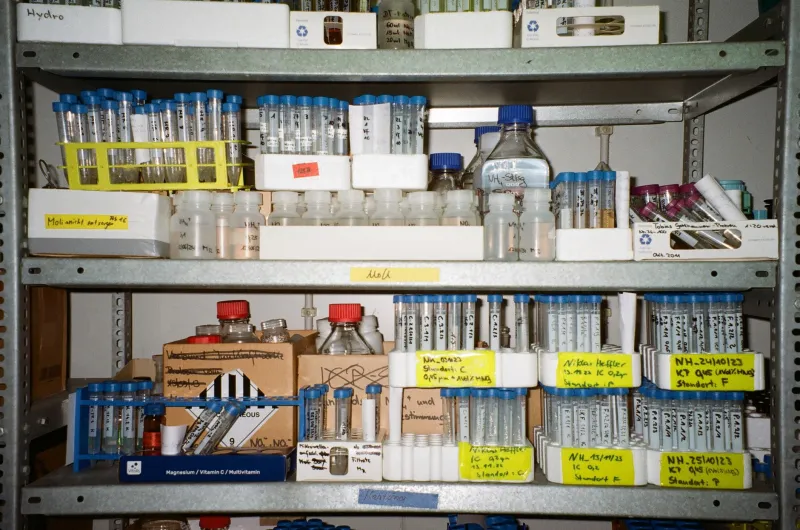
You do not need a shipping container. A lidded plastic storage crate in the boot of a reliable volunteer's car is enough to start. Label it clearly, tape an inventory list inside the lid, and restock it after every event. The list matters more than the box.
Useful things to have in the kit include:
- Four gazebo weights or sandbags, around 10–15kg each, plus spare straps. Ropes and stakes are not much use on a hardstanding or a windy recreation ground.
- A spare tarpaulin or two, a groundsheet and a roll of strong bin bags.
- Cable ties, bungee cords, gaffer tape and a few carabiners.
- A mop, a bucket and some absorbent granules for the village hall entrance.
- Towels, dry cloths and a couple of spare pairs of thick socks. Someone will need them.
- A pack of ponchos and a few umbrellas that nobody minds losing.
- Hazard tape and laminated signs for wet floors, closed paths and changed entrances.
- A power bank, a torch and spare batteries.
- A basic first-aid kit, checked and in date.
- A clipboard with the day's contact list, the venue keyholder's number and a simple indoor layout sketch.
Keep cash and valuables out of the weather kit. This is a working crate, not a filing cabinet. The point is to be able to reach for it and know what is inside without a committee meeting on the grass.
The roles that make the difference
A wet-weather plan needs fewer people than you think, but it does need names. A weather marshal can watch the forecast and the ground conditions through the morning and report back. A communications lead can send one clear message to stallholders, volunteers and visitors. A runner can move between the field, the hall and the car park. An indoor liaison can make sure the Plan B space is actually open, lit and laid out.
Keep shifts short. A two-hour weather shift is plenty. Brief everyone for ten minutes at the start, with the decision time, the trigger points and the phrase to use when speaking to the public. The weather marshal is not there to decide alone. They are there to notice, report and help the named decision-maker act.
No one should be left holding the sky.
The call-it-early rule
This is the heart of it. Pick a decision time in advance and write it down. If the fete is due to open at noon, decide by 9am. If it opens at 10am, decide by 8am. The exact hour matters less than the fact that it is fixed, shared and respected.
Then agree the triggers. These might include a Met Office warning for wind or heavy rain, standing water on the access route, gusts that make gazebos unsafe, or a hall car park that has become a mud bath. Two triggers should be enough to move to Plan B. You do not need to wait until the bunting is horizontal.
Name one person who makes the final call, with two others to check the decision. That avoids the familiar scene of eight volunteers standing in a huddle at 11:45, each waiting for someone else to say the obvious. The decision-maker should be reachable, briefed and not also running the cake stall.
Communication should be just as clear. Agree three channels in advance: a group message or email, a phone tree for stallholders who do not use social media, and a notice at the gate. Have a short script ready. Something like: We have moved today's fete into the village hall. Doors open at the same time. The cake stall and tombola are in the main room, teas are in the kitchen, and the car park is still open. Please use the side entrance if the main path is wet.
That is not a gloomy message. It is a useful one.
Plan B is a place, not a feeling
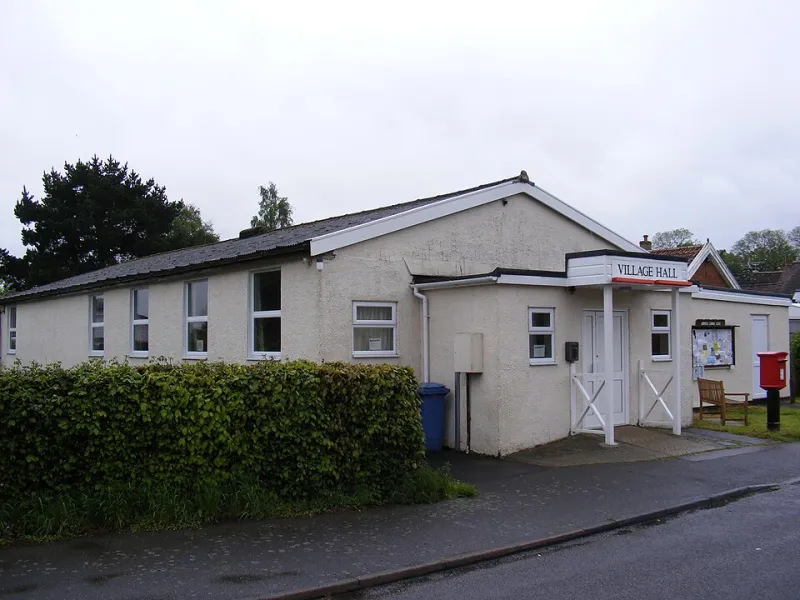
Saying we will move indoors is not a plan until someone has walked the indoor space and worked out what fits. Sketch the layout before the day: which stalls go where, where the queues will form, how wheelchair users and buggies will move through, where the quiet seating will be, and how the tea urn will be kept away from the gangway.
Tell stallholders about the indoor plan when they book, not when the rain starts. Ask them what they need: a table, a power socket, a dry place to store stock. Keep the indoor version smaller if necessary. A calm, busy hall beats a crammed one.
For visitors, small touches go a long way. A dry route from the car park, a chair near the door, a sign that says the floor is wet, and a warm drink within easy reach. None of that is fuss. It is the difference between an event that feels organised and one that feels like a scramble.
Protect the people who make it happen
Volunteers are often the last to be looked after. If the weather turns, rotate people out of the rain. Give them a dry space, a hot drink and a clear finish time. Do not let the person on the gate stand in a puddle for three hours because no one thought to relieve them.
And if the decision is to cancel, say so plainly and thank people. Stallholders have loaded cars, baked cakes and rearranged Saturdays. Volunteers have given up a lie-in. A straightforward message, a sincere thank you and a clear note about refunds or rolling bookings over will do more for next year's fete than any amount of apologising on the day.
After the last brolly
When it is over, dry the kit, check the inventory and write three lines in the committee notebook: what worked, what was missing and who has the crate. Restock the bin bags and the towels. Put the laminated signs back in the lid. The next organiser will thank you.
A boot-bag rule is not about expecting the worst. It is about making a quiet promise to everyone who turns up: we thought about you. The sun may still shine. But if it does not, the kettle will still be on, the hall will still be warm and nobody will be left apologising for the sky.