One Window, One Night: The December Trail That Asks Very Little and Gives the Street Back
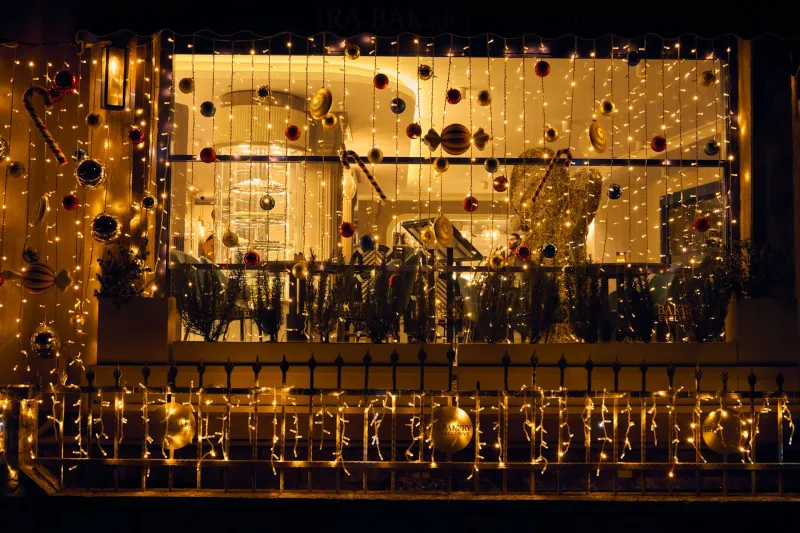
The street goes dark early in December. By the time most of us are thinking about tea, the curtains are shut and the pavements are doing that shiny, empty thing. An advent window trail is a small remedy: one household lights one window on one evening, and suddenly there is a reason to put your coat on. It is not a festival, a funfair or a fundraising machine. It is a countdown made of other people’s front rooms, and it costs almost nothing.
Start with a question, not a sign-up sheet
Begin with three or four neighbours you already nod to. Ask a simple question: would you fancy lighting a window one night in December? No committee, no minutes, no rota with everyone’s name on it. If you get six yeses, you have a trail. If you get three, you have a smaller trail. Both work.
Use whatever already exists. A street WhatsApp group, a note through a few doors, a chat after school pickup. Make it clear that saying no is completely fine. The whole point is that people can dip in without signing their December away.
One window, one night, no performance
Ask each household to choose a date between 1 and 24 December 2026 and light one window that can be seen from the pavement. That is the brief. Battery fairy lights, LED candles, a paper star, a child’s drawing taped to the glass, a string of old Christmas lights that still work. It does not need to be a display. Modest is the point.
A few quiet rules keep it safe and neighbourly. No ladders, no extension leads trailing across the path, no flashing inflatables that turn the street into a runway. Keep the lights on from around 6pm to 8.30pm, then let the street go back to normal. If someone is out that evening, they can leave a window lit if it is safe to do so, or simply choose another date.
A map that belongs on the fridge
Paper first. A simple numbered list of windows and dates is more useful than a clever app that half the street will not open. Add a short line about where the route starts and finishes, and whether there are steps or uneven paving on the way.
Make a PDF, print a few copies at the library or post office, and put one in the window of the village hall or corner shop. A QR code is a nice extra, not a replacement. Older neighbours should not have to squint at a phone to find out that number 14 is lit on Tuesday.
Include a small accessibility note. Which side of the street has dropped kerbs? Where is there a bench? Which stretch gets clogged with parked cars after five? That kind of detail makes the difference between a nice idea and a route that actually works for buggies, wheelchairs and anyone who needs to take it slowly.
Make the route kind to buggies and wheelchairs
Keep the core route short and, where possible, flat. Ask hosts to keep front paths clear and to avoid cables or planters that narrow the pavement. If a window is up a flight of steps, mark it as viewable from the street so nobody feels they have missed out.
Think about the whole journey, not just the lights. A dark cut-through might be fine for a confident adult and miserable for someone with a walking stick. A stretch with no dropped kerb can turn a ten-minute stroll into a obstacle course. If you can, walk the route yourself in the afternoon and note the awkward bits.
Older neighbours might prefer a daylight recce or a lift to the start. Families with buggies might appreciate knowing which evening is likely to be quietest. None of this needs to be formal. A sentence on the map is enough.
Lighting, cost and the quiet rules
This is not a competition for best window. It is a trail, not a judging panel. Use what you already have, borrow what you can, and resist the urge to buy more. A single warm lamp in a front room can be more welcoming than a garden full of inflatables.
Keep politics, sales pitches and religion out of the window displays unless the household wants otherwise. Respect privacy: no photographing people or door numbers without asking, and no publishing a full list of addresses online. First names or house numbers on the paper map are plenty.
If someone wants to collect for a food bank or a local charity, make it optional and separate from the trail. The minute it becomes a sponsorship form, the low-pressure feeling disappears.
The night itself
Go in twos or threes, take a torch, and say hello to people you pass. Do not block the pavement for a photo. If a host is outside with a flask, that is lovely, but nobody should feel obliged to stand in the cold and host a party. The window is the event.
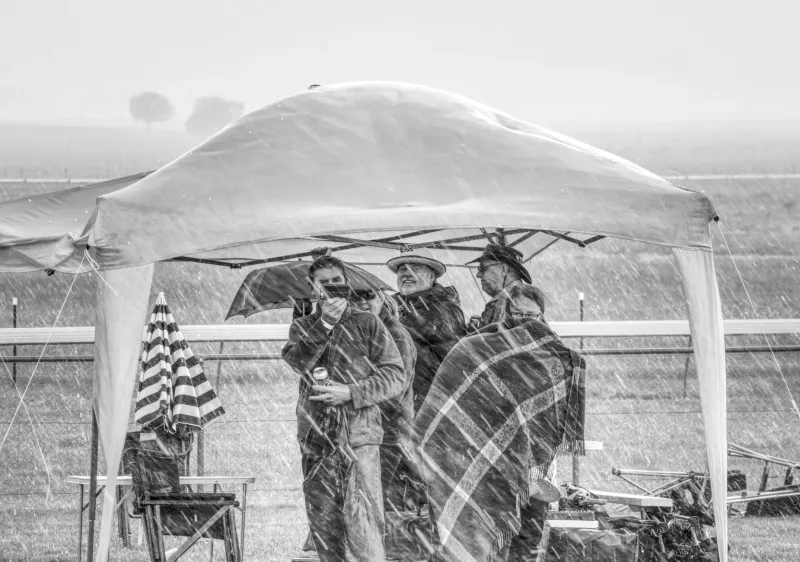
Weather will do what it does in December. Because each household has its own date, a wet night does not cancel the whole trail. Walkers can choose another evening. Hosts can still light up and enjoy the fact that someone, somewhere, is peering at their fairy lights from under a hood.
After the last window
Say thank you. A note through the door, a message in the group chat, a mention on the local noticeboard. Ask what worked and what did not. Keep the map for next year, because the second version is always easier.
The real win is not the lights. It is that someone who would never join a committee has taken part. They have opened a curtain, waved at a neighbour, and helped turn a dark street into a gentle shared countdown. That is volunteering at street scale, and it belongs to everyone.