Pull Up a Chair, Not a Label: The 2026 Christmas Lunch That Keeps Dignity on the Menu
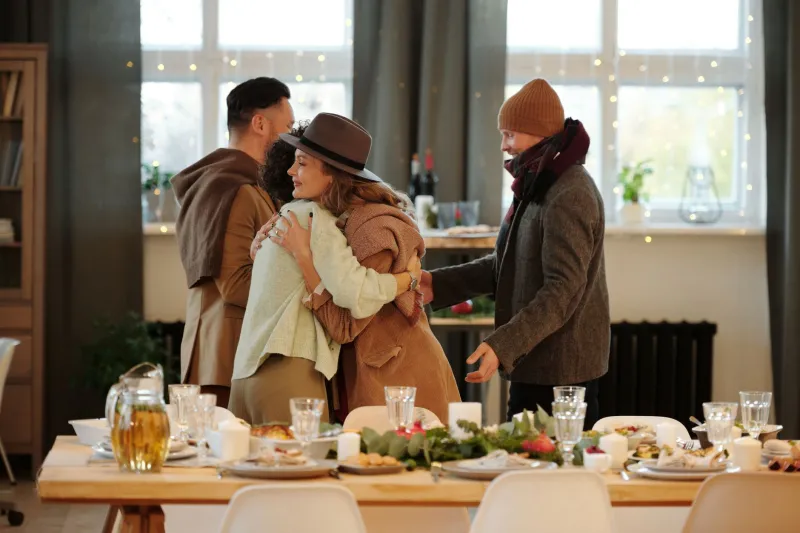
There's a particular sound a village hall makes on Christmas Day: chairs scraping, a kettle that's been pressed into service for gravy, someone laughing at a cracker joke they've heard a hundred times. It can be a lovely noise. It can also be the loneliest sound in the world if you're the person sitting at the end of the table wondering whether you're allowed to leave.
A community Christmas lunch is not just catering. It's a small piece of civic hospitality, and the difference between a good one and a merely full one usually comes down to dignity. Not the goodie bag, not the turkey — the feeling that you are not a case study, a project, or a guest who has to be grateful. You're just someone at the table.
Start with a sign-up that doesn't ask too much
By mid-November, you want the sign-up live. By 10 December, you want names confirmed. But how you ask matters as much as when.
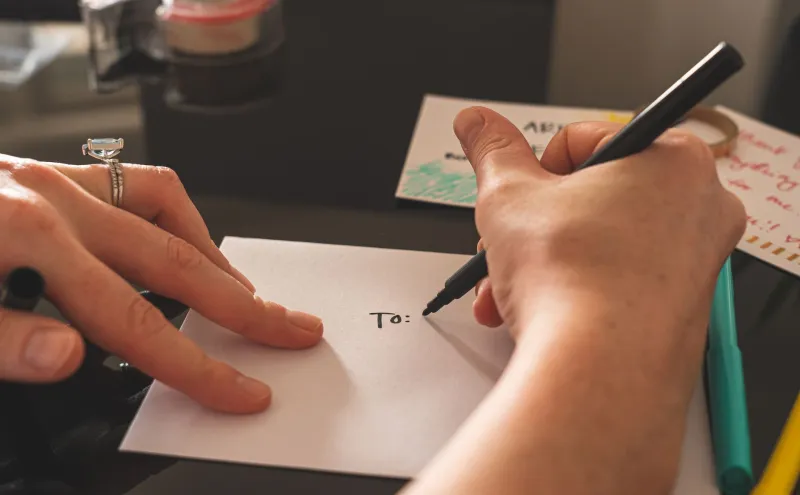
The worst sign-up forms read like a referral. The best feel like an invitation with a few practical questions tucked in. Instead of asking "Are you isolated?" ask "Would you like some company on Christmas Day?" Instead of "Do you have additional needs?" try "Is there anything that would make the day easier for you?" That one small shift turns a benefit claim into a preference.
Offer at least three ways to sign up: a paper form at the library or shop, a phone number that a real person answers, and a simple online form. Don't make people explain themselves. A tick-box for "I'd rather sit at a quieter table" is worth more than a paragraph of prose about loneliness. And keep the form short enough to fill in on a bus.
Match guests to hosts, not to a spreadsheet
If you're placing people at tables, don't do it by random allocation on Christmas Eve. A little matching goes a long way. Ask guests whether they'd like a lively table or a calm one, whether they'd prefer to sit with people of a similar age or a real mix, and whether they're bringing anyone with them. You don't need a database. You need a notebook and twenty minutes of thought.
Hosts matter, too. A host is not an entertainer. They're the person who notices the quiet one, keeps the teapot moving, and knows where the loos are. Brief them before the day: ask them to learn two names, not to interrogate anyone, and to leave the "so, what's your story?" questions at home.
If you can, pair hosts up. Two calm people at a table of eight is far better than one nervous person trying to carry a room.
Sort transport without a spotlight
Transport is the quiet killer of Christmas lunch plans. A bus that doesn't run, a dark walk home, a taxi fare that's too much at the end of the month. Ask on the sign-up form whether someone would like a lift, and then make the lift feel ordinary. A volunteer with a car and a spare seat is not a minicab service; they're a neighbour doing a school-run sort of favour.
Give drivers a simple route sheet and a mobile number, and ask them to text the organiser when guests are safely home. If someone would rather make their own way, let them. Don't turn a lift into a welfare intervention. The point is to remove the barrier, not to make a thing of it.
Let the food do the quiet work
Dietary needs are not awkward. They're just information. Collect them early, label the dishes clearly, and make sure the vegetarian option isn't an afterthought of roast potatoes and gravy. If someone needs halal, gluten-free, nut-free or simply "nothing too spicy", write it on a card at their place setting so they don't have to announce it to a table of strangers.
And keep the serving style simple. Family service, where people pass plates to each other, is far more sociable than a queue at a hatch. It also gives hosts something to do with their hands, which is useful when conversation stalls.
Build in a quiet exit
This is the bit people forget. Some guests will be fine for an hour and then need to go. That's not failure. It's just how people are.
Have a side door unlocked, a volunteer near it who knows the phrase "I'm just getting some air", and no running commentary when someone leaves. A simple "thanks for coming, love" at the door is enough. Don't ask them to explain. Don't announce their departure. Don't post a group photo that catches them in the background.
Quiet exits aren't just for guests. Volunteers may need one too. Build in a rota with proper breaks, and make it clear that stepping out for ten minutes is fine. A Christmas lunch shouldn't leave the helpers running on fumes.
Brief volunteers on the human basics
You don't need a formal safeguarding qualification to run a lunch, but you do need a named person who knows what to do if something isn't right. A short briefing a week before is enough: who the safeguarding lead is, how to record a concern, why you don't take photos without consent, and why it's kinder to listen than to advise.
Tell volunteers not to ask "Why are you on your own?" It's a question that lands like a bill. Better prompts: "What's been good about your week?" or "Do you know the area well?" Small, open, easy to answer. And if someone doesn't want to talk, let them eat in peace. The table doesn't have to be a therapy session.
Plan for no-shows without shame
Someone will say yes and not come. It's rarely about you. It might be a bad night, a cold morning, a bus that didn't turn up, or a wave of anxiety at the front door. Don't take it personally, and don't make a public thing of it.
Confirm numbers two days before. Have a standby list of people who said "maybe" and would welcome a last-minute call. Cook slightly more than you need, but not so much that the leftovers feel like a judgement. And if someone doesn't arrive, a quiet phone call the next day — not a guilt trip — is worth more than a post-mortem in the committee meeting.
The table is the point. Not the spreadsheet, not the perfect centrepiece, not the photo for the newsletter. If someone leaves feeling they were a guest in the best sense — looked after, not labelled — then the lunch has done its job. And if they leave early through the side door with a mince pie in their pocket, that's a job well done too.