The Softer Start: Small Changes That Make a Village Hall Easier to Walk Into
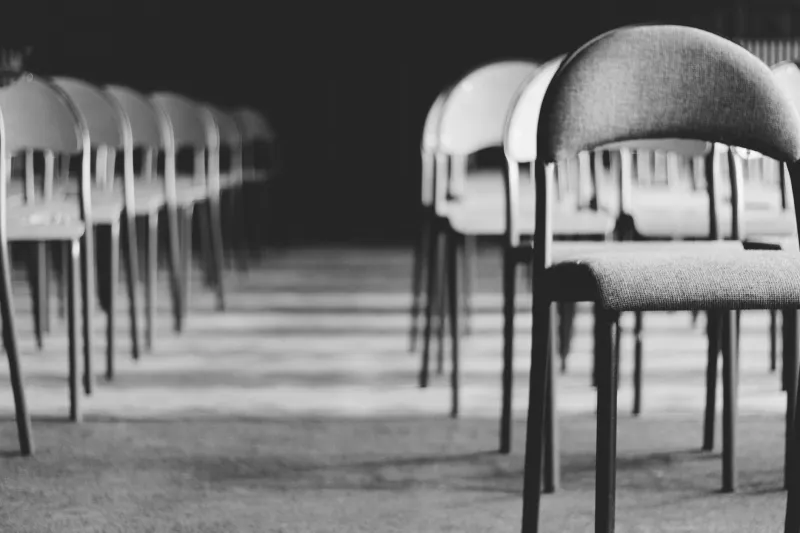
On a wet Tuesday in November, the village hall should be the easiest place in the parish to be. The kettle is on, the chairs are out, and someone has brought a tin of biscuits. And yet, for a surprising number of neighbours, the thought of walking through that door is enough to keep them at home.
This is not about ingratitude. It is about sensory load. The scrape of chairs, the urn hissing, three conversations competing with a raffle announcement, the cheerful volunteer who asks how you are before you have taken your coat off. For autistic neighbours, people living with anxiety, anyone recovering from illness, and plenty of others who are simply worn out by noise, an ordinary village hall evening can feel like a lot.
The answer is not to set up a separate club with a label that makes people feel like a problem. It is to make a few small, practical changes to the events you already run. Think of it as a softer start.
Begin with the room, not the label
Language matters. A poster that says 'quiet hour' is more inviting than one that says 'sensory-friendly session for vulnerable adults'. Keep the description plain and specific: what will happen, how loud it will be, whether there will be a queue, and where people can sit if they need a breather.
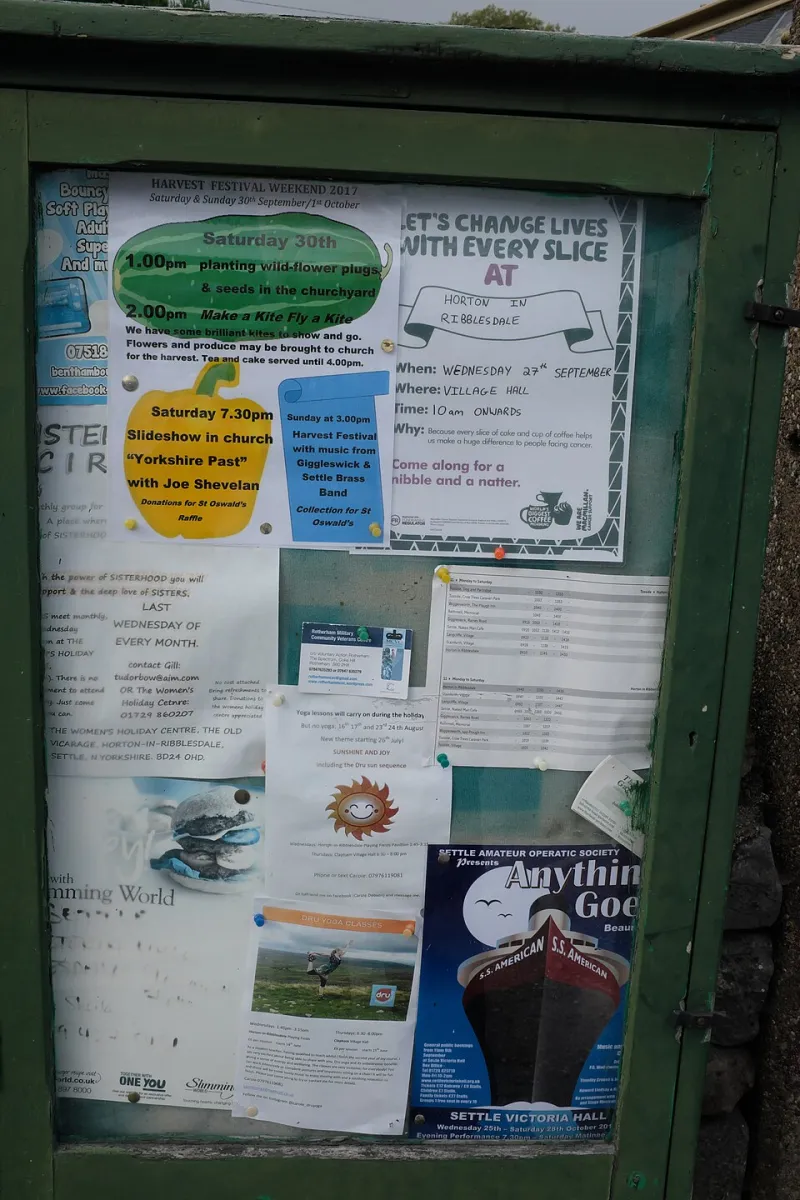
If you are adding a quieter window to an existing coffee morning, quiz night or craft group, say so on the noticeboard and in the group chat. Something like: 'Doors open at 6.45pm for a quiet first half-hour. No music, no announcements, and no pressure to chat. Everyone welcome.' That gives people a chance to plan. Surprises are the enemy of a calm arrival.
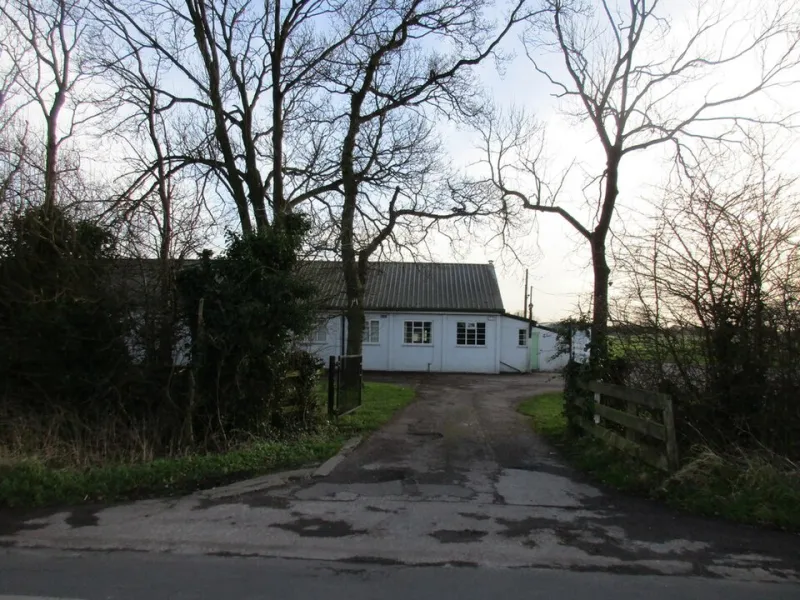
It also helps to share a photo of the hall before the event. A picture of the entrance, the layout and the tea point can do more for a nervous neighbour than a dozen reassuring words. You do not need a website redesign. A mobile phone snap pinned to the noticeboard or sent in a message is enough.
The first ten minutes are the whole ballgame
Most people who find crowds difficult are not put off by the event itself. They are put off by the doorway. A queue at the entrance, a fog of hellos, and a volunteer waving a clipboard can feel like a hurdle before the evening has begun.
Try opening the doors fifteen minutes early with no programme at all. Let the first arrivals come in, find a seat, and settle. Put the welcome table to one side rather than directly in the doorway. If you can, have one person quietly greeting people and another person inside, so nobody is left standing alone in the middle of the room.
Clear signage is a small kindness. Arrows to the tea point, the toilets, the quiet corner and the exit are not bureaucratic clutter. They mean a person does not have to ask three times where to go. If your hall has a confusing corridor or a hidden loo, a handwritten sign is better than nothing.
Give people somewhere to land
A calm corner is not a naughty corner. It is a couple of chairs away from the main hubbub, with a low lamp if the hall lights are harsh, a small table, a jigsaw, some water and perhaps a pair of ear defenders. It should be available to anyone, without explanation.
Do not over-staff it. A quiet corner that comes with a volunteer asking questions is not quiet. Put up a simple card that says: 'This space is for anyone who needs a break. Stay as long as you like. No need to explain.' Then let it be.
If your hall has a side room, open it. If it does not, use the far end of the room and move the chatty tea point away from it. Small geography changes make a real difference. The loudest part of most village hall events is not the speaker; it is the cluster of people catching up by the urn. Move that cluster, and you have created a quieter zone without spending a penny.
Brief volunteers to offer space, not small talk
Volunteers are the heart and soul of village life, but even the kindest among us can overwhelm someone by accident. A useful briefing takes ten minutes: say hello, offer a seat, point out the quiet corner, and then step back.
Give people a few phrases they can use. 'No need to chat, I just wanted you to know where the quiet area is.' 'Would you like a cup of tea, or would you rather settle in first?' 'I will leave you to it, but I am here if you need anything.' These are not scripts to be recited robotically. They are permission slips.
Ask before helping. Do not take someone's coat, move their chair or finish their sentence. Offer, then wait. And if someone declines a cup of tea, do not take it personally. The goal is not to make everyone join in. The goal is to make it possible for them to stay.
Say what is going to happen before it happens
Uncertainty is exhausting. A simple run sheet on the door can help: '7pm welcome, 7.15pm quiz starts, 8pm break, 8.45pm results.' Announce transitions a few minutes ahead. 'In five minutes we will be starting the raffle.' That gives people time to move, leave the room or put their ear defenders on.
Think about the sounds you can control. Felt pads on chair legs cost very little and cut the scraping. Turn the music off during the quiet window. Use a microphone for announcements so people do not have to strain. If there is a hand dryer in the toilets, warn people where it is. These are tiny details, but they add up to a room that feels less like an obstacle course.
Keep it ordinary
The point of all this is not to create a one-off 'inclusion event' that ticks a box and disappears. It is to fold these habits into the ordinary life of the hall. The coffee morning, the film night, the repair cafe, the quiz. A quiet corner, a clearer sign, a volunteer who knows when to step back.
You do not need a big budget. A few pounds for ear defenders, a packet of felt pads, a lamp from the back cupboard and a neatly written sign will get you a long way. What you do need is a willingness to ask people what would help, and to believe them when they tell you.
At Bwif Community, we are interested in the small stuff that holds a street together. The softer start is not a grand scheme. It is a kettle, a chair and a bit of space. But for the neighbour who has been walking past the hall for months, it might be the difference between staying home and coming in.
So next time you are setting out the chairs, leave a little space. Not just at the back. In the doorway, in the timetable, and in the way you say hello. That is where community welfare begins.