One Decoration, One Sentence: The Village Hall Tree That Tells the Street's Story
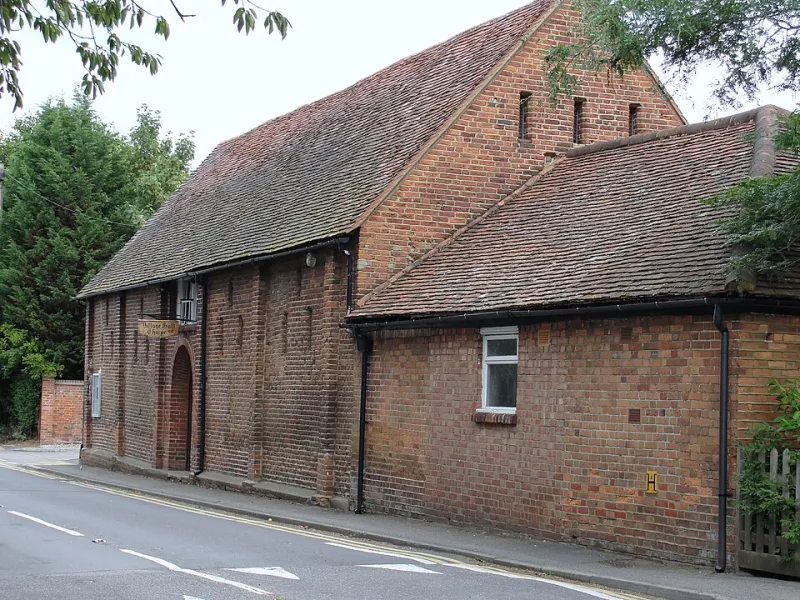
Photo: Maxwell Hamilton, CC BY-SA 3.0, via Wikimedia Commons
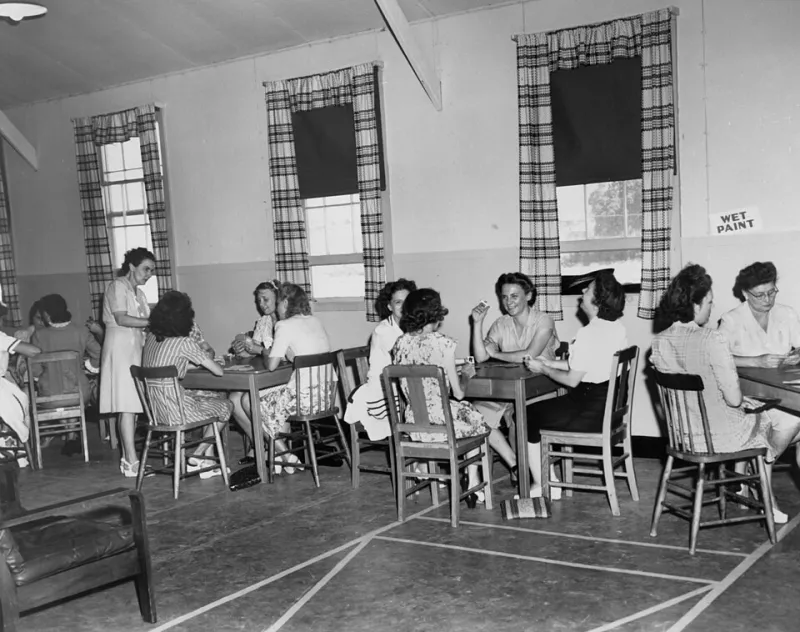
There is a certain sort of village hall December evening that smells of dusty radiators, weak tea and possibility. You turn up with a carrier bag, slightly embarrassed by the thing inside it, and leave having heard three people explain why a chipped robin matters more than anything from a department store. That is the spirit of a borrowed bauble night: a tree built from other people's memories, with the labels telling the story rather than the owner.
It works because it asks very little. One decoration. One sentence. No spending, no performance, no need to be good at crafts. And it gives something back: a hall that feels warmer than the weather, and a tree that later travels to a shop window, a care home or the library as a small exhibition of local life.
Start with the invitation, not the tree
The invitation is the whole trick. If people think they have to turn up with something impressive, the evening collapses into a quiet competition. Say plainly: bring one decoration from home if you have one you are happy to lend. It can be shop-bought, homemade, inherited, slightly tacky or held together with sticky tape. If you do not have one, come anyway and help us hang the ones that do. There will be a box of spare plain baubles and a pot of pens for anyone who wants to add a memory without bringing an object.
A line like that does two jobs. It removes the pressure to buy, and it makes room for the neighbour who has just moved in, the person who has downsized, or the family who simply cannot face another expense in December. You can also invite people to bring a sentence rather than a thing: one line about a decoration they remember from childhood, a tree from a difficult year, or a homemade star that never quite pointed the right way.
Ask people to arrive with their decoration in a named envelope or a small bag, and to have their sentence ready. Nothing longer than a text message. That is enough.
The label is the point
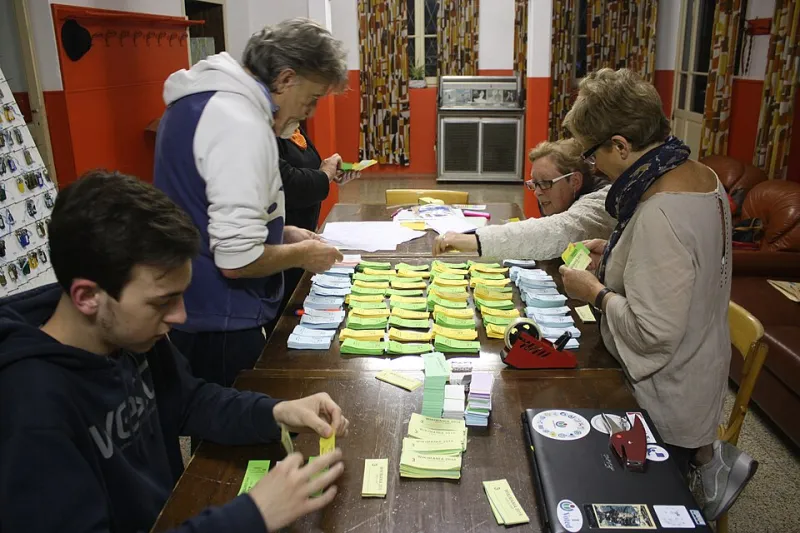
On the night, set up a labelling table before anyone reaches the tree. Cover it with a cloth, put out luggage tags or blank cards, a few pens that actually work, and a roll of string. The label should carry the story, not the owner. So instead of 'Jane's nan's bauble, 1974', write 'From a first tree in 1974; the dog ate the original star'. Instead of a full name, a first name at most, or no name at all.
This is not fussiness. It is what turns a tree into an exhibition. A plain tag saying 'Bought at the church fair, 1998. Still smells faintly of cinnamon' gives everyone something to lean in for. It also protects people who would rather not explain their family history to the whole hall. The story can be funny, plain, sad or slightly baffling. The tree does not mind.
Have a second table with tea, mince pies and a few chairs for people who need to sit down. Put the labels in a box at the end so they can be reused in January. Write the venue's name on the back of each tag in pencil, not because it is a museum piece, but because small things get separated from other small things.
Handle the fragile stuff like an adult
Someone will bring something irreplaceable. It might be a glass bauble from a grandparent, a painted eggshell, a paper angel that is more crease than angel. Have a plan before they arrive. A soft cloth on the table, a shallow tray for anything delicate, and a clear rule: if you are worried about it breaking, we will photograph it and hang the photograph instead. That is not a rejection; it is a way of keeping the story on the tree without risking the object.
For sentimental items, offer three choices: hang it high and out of reach, place it in a small display box on the side table, or let us photograph it and hang the photo with the original label. Have a roll of acid-free tape? Not essential. But do have a box for 'going home' items and a named envelope system so nothing is lost in the scrum. If children are helping, give them the non-fragile box and a job that matters: counting tags, handing out string, choosing which branch needs a bit of colour.
Keep the night short and the room easy
Two hours is plenty. Half an hour to arrive, label and eat; forty minutes to hang and tell a few sentences aloud if people want to; the rest for tea and wandering. Do not make everyone speak. A microphone can turn a friendly room into a school assembly. Instead, invite three or four people in advance to read their sentence, then let the tags do the rest.
Play something quiet, keep the lights on the warm side, and put a chair near the tree for anyone who needs to take it slowly. If you have a spare table, add a 'story corner' with a notebook and pens so people can write a longer memory if the mood takes them. The notebook can travel with the tree in January. It is amazing what people write when nobody is watching.
January: let the stories travel
The tree does not have to stay in the hall until Twelfth Night and then vanish into a loft. Plan a small tour. A shop window on the high street, the library foyer, a care home lounge, the reception of a community centre: all of these can host a borrowed bauble tree for a week. If the full tree is too big, use a smaller artificial one and hang the labels and a selection of decorations. The point is the stories, not the scale.
Ask each venue for a safe corner, a table and permission to leave a small sign explaining what the tree is. Pack the decorations in a labelled box with a simple map of which branch is which, or photograph the tree before it comes down. Keep the fragile items at home and send photographs instead. Send the notebook too, open at a page with a pencil attached. In a care home, residents may want to add their own sentences; in a library, borrowers can read a tag and remember a street that has changed.
The small print that keeps it kind
Say clearly that decorations are lent, not given. Put a date for collection on the invitation and again on the tag. Keep a simple list of who brought what, but keep it private. If something is damaged, tell the owner before they notice and do not pretend it was always like that. A borrowed bauble night is built on trust, and trust is mostly just good paperwork with a cup of tea beside it.
Most of all, resist the urge to make it perfect. A tree with a lopsided star, a paper chain that sheds glitter and a tag that reads 'This is from the year we did not put up a tree at all' will do more for a street than any display from a catalogue. It gives people a reason to talk, a reason to lend, and a reason to come back in January to see what happened to their small piece of the story.